
Protein Supply in Cancer Conditions
Cancer patients often struggle with unwanted weight loss. This reduction affects not only body fat mass but also valuable muscle tissue, leading to a significant decline in quality of life, physical performance, and often even the tolerance and effectiveness of therapy. As a result, the disease prognosis worsens.
The causes of weight loss are complex. Both therapeutic measures and the cancer itself can lead to loss of appetite, nausea, vomiting, or digestive disorders. Various tumor metabolism products negatively impact not only appetite but also protein metabolism—resulting in increased protein loss.
Additionally, frequent fasting periods due to necessary medical examinations, increased inactivity of affected individuals (which promotes muscle breakdown), and a common tumor-related “anabolic resistance” further increase protein requirements. In cases of gastrointestinal tumors, inadequate nutrient and energy intake or increased nutrient losses also lead to significant weight and muscle mass reductions.
In summary, protein requirements are elevated in cancer patients, while muscle synthesis is reduced—all while appetite is diminished! This presents a challenge not only for those affected but also for nutrition experts.
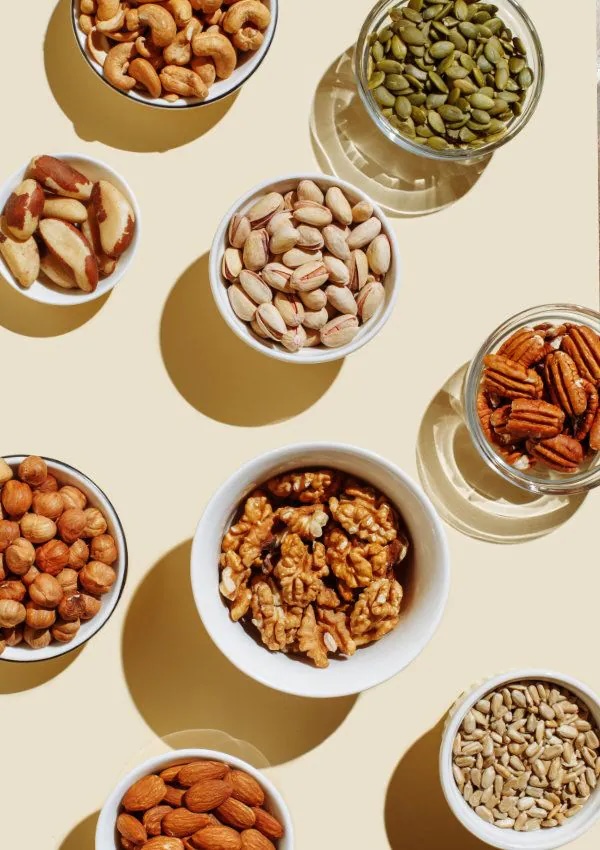
An adequate protein intake is therefore crucial for the course of the disease and the quality of life of patients. A daily intake of 1.2 to 1.5 g of protein per kg of body weight is recommended. This means that a person weighing 60 kg should consume at least 70 g of protein per day. To reach this amount, for example, one serving of meat or fish, two servings of dairy products or legumes, one serving of nuts, and two to three servings of grains (whole grain bread, pasta, oatmeal) would need to be consumed. However, many find this difficult to achieve.
Individually supplementing the diet with oral nutritional supplements and protein products can be a useful solution. A neutral protein powder, now available in larger supermarkets, can be easily mixed into various foods such as soups, sauces, desserts, or coffee to support adequate protein intake. Several small meals with different protein sources also improve protein quality and are beneficial.
It is also worth mentioning that daily physical activity, as an integral part of multimodal therapy, has an anti-inflammatory effect and can help counteract muscle loss.
With tailored nutritional management, it is possible to meet the increased protein requirements despite all difficulties and positively influence the disease.